
M. Daniel Bennett Jr. – Clark Atlanta University
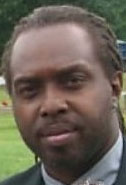
M. Daniel Bennett Jr. is an interdisciplinary researcher with clinical practice experience. His research addresses gaps in research and practice with African American males, and incorporates an interdisciplinary focus that transcends social welfare policy and practice aimed at this population. Bennett’s preliminary findings have been presented at several senior interdisciplinary research conferences, and his work has been published in social work and research journals. He has been an expert manuscript reviewer for disciplinary journals including Research on Social Work Practice, Criminology and Public Policy, and the Journal of Black Psycholog. Most recently, Dr. Bennett co-edited a special issue of Research on Social Work Practice focused on African American males.
Charles Corprew – Loyola University
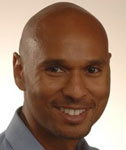
Charles Corprew has dedicated his research to the academic achievement of young African-American males. Specifically, Corprew examines the ways in which ideas of hyper-masculinity influence African-American males and their social development. Since receiving a master’s degree in Urban Education from Norfolk State University in 1997, Corprew has worked extensively within the Virginia Beach public school system, teaching high school American History and Advanced Placement Psychology. In addition, he served as the Director of the James Madison University Male Academy, a program dedicated to the social and academic development of young African American males. He completed his PhD in Psychological Sciences at Tulane University in 2011.
Jamel K. Donnor – College of William and Mary
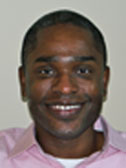
Dr. Jamel K. Donnor became an Assistant Professor of Education at the College of William and Mary after teaching in the Department of Afro-Ethnic Studies at the California State University-Fullerton. As a doctoral candidate at the University of Wisconsin at Madison, Jamel received the Minority Dissertation Fellow Award from the American Educational Research Association. Jamel also received the Outstanding Postdoctoral Fellow Award while in residence at Washington University in St. Louis. Currently, Jamel’s research examines the cultural and institutional relationship between African American male student-athletes, major college football, and academic underachievement. He is also working on an edited book project with Dr. Adrienne Dixson at the University of Illinois at Urbana-Champaign on race and the re-segregation of America's public education system.
Michael Dumas – New York University
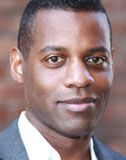
Michael Dumas has dedicated his scholarly research to the intersection of education policy and the cultural politics of Black education. His upcoming projects seek to examine how poor and working-class young Black parents of Black boys in early childhood and elementary education navigate social and educational policy in their own lives, and in the lives of their children. His previous publications have included cultural and political-economic analyses of educational equity politics. Dumas received a Ph.D. in Urban Education and Educational Policy from The Graduate Center of The City University of New York.
Otima Doyle – Duke University
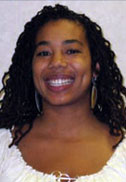
Otima Doyle is a PREMIER (Partnership for Excellence in Mental Health Interventions Education and Research) postdoctoral fellow in the Department of Psychiatry and Behavioral Sciences. Her research is centered on reducing aggression and depression among young African-American males through the use of “culturally informed and father- directed” intervention. Dr. Doyle has gained considerable experience working as a licensed clinical social worker at the Woodbourne Continuum, where she has worked to address the emotional and behavioral challenges of adolescents. While working toward her PhD, Dr. Doyle explored the relationship between the perception of father nurturance and the emotional and behavioral well-being of youth in the African-American community.
Edward Fergus – New York University
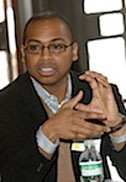
Edward Fergus is the Deputy Director of the Metropolitan Center for Urban Education at New York University. A former high school teacher, Dr. Fergus has published numerous articles that delve into the nature of disproportionality in special education and that also examine schools as a risk and protective factor for vulnerable populations. Most recently, Dr. Fergus co-edited a volume, Invisible No More: Understanding the Disenfranchisement of Latino Men and Boys. Prior to working at the Metropolitan Center, Dr. Fergus worked for The Children’s Aid Society. He is also currently a Trustee with the Yonkers School District Board of Education and a Governor appointee to the New York State Juvenile Justice Advisory Group.
Derek Griffith – Vanderbilt University
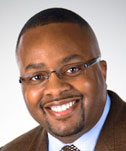
Derek Griffith is an Associate Professor of Medicine, Health and Society and General Internal Medicine and Public Health. At Vanderbilt, he also is the director of the Institute for Research on Men’s Health. His scholarly interests focus primarily on the social determinants of the health, quality of life, and longevity of Black American men. Understanding that health is the manifestation of everyday life, stressors and experiences, Dr. Griffith examines the ways in which the Black experience affects individual and collective health of men. He received his Master's and Ph.D. in Clinical/Community Psychology from DePaul University.
Keon L. Gilbert – Saint Louis University
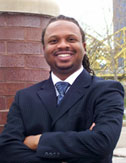
Dr. Gilbert is an Assistant Professor of Behavioral Science and Health Education. His work focuses on the interconnections of racial identity, socialization, and institutional racism as factors in African-American male health and wellness over time. Drawing from the disciplines of Public Health, Public Affairs, Biology and African-American studies, Gilbert seeks to understand the impact of structural racism on health disparities, and the role of cultural relevance and understanding as a means of promoting health and disease prevention in the African-American community. His courses include Introduction to Behavioral Sciences and Eliminating Health Disparities.
Wizdom Powell Hammond – University of North Carolina at Chapel Hill
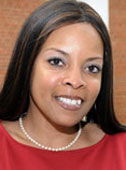
Dr. Hammond is Assistant Professor of Health Behavior at UNC-Chapel Hill’s Gildings School of Global Public Health. President Obama most recently appointed her as a 2011-2012 White House Fellow. Her research focuses on psychosocial determinants of African American male health across the life-course with an emphasis on masculinity and racial discrimination’s combined impact on African American male health disparities, mental health, and healthcare system interactions. She received a M.P.H. and Ph.D. from the University of Michigan, and has published in the American Journal of Public Health, American Journal of Community Psychology, and Journal of General Internal Medicine.
Dana K. Harmon – University of West Alabama, Livingstonl
.jpg)
Dana K. Harmon is an Assistant Professor of Social Work in the Department of Behavioral Sciences. Her research and practice interests include African American males’ and family functioning, marriage quality and commitment, spirituality/religiosity among African Americans, parental loss, and mitigation work. Dr. Harmon has several peer-reviewed journal articles and presentations on these topics. She also has over 16 years of direct service experience in the field of social work. She received her Ph.D. in Social Work from The University of Alabama and MSW from Loyola University Chicago.
Lionel C. Howard – George Washington University
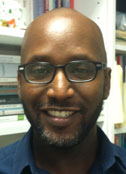
Lionel Howard is an Assistant Professor of Education Research in the Graduate School of Education and Human Development. His research focuses on intersections of race, gender, and ethnicity, primarily in terms of identity formation. He also examines the socialization and psycho-social experiences that inform the educational experiences of African American and Latino males. Utilizing qualitative and quantitative research methods, Professor Howard maps the human experience within historical and socio-cultural contexts. He received his Master’s degree from the University of Maryland, College Park, and an additional Master’s and Doctorate of Education, both from Harvard University.
Dr. William L. Jeffries IV – Centers for Disease Control and Prevention
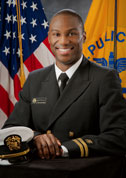
Dr. William L. Jeffries IV received his MPH in social and behavioral sciences and PhD in sociology from the University of Florida. His research focuses on the intersections of sexuality, race, and ethnicity in relation to HIV infection among American men. Dr. Jeffries has worked for the Centers for Disease Control and Prevention (CDC), both as an Epidemic Intelligence Service officer and an epidemiologist. In his current CDC assignment, he leads research addressing social determinants of HIV infection among black gay and bisexual men. Dr. Jeffries was a recipient of the McKnight Doctoral Fellowship and has published in a number of academic journals, including the American Journal of Public Health and the Journal of African American Studies.
Odis Johnson, Jr. – University of Maryland, College Park
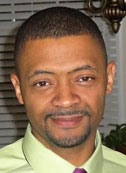
An Assistant Professor in African American Studies, Odis Johnson conducts research focusing on urban development, low income neighborhoods, and their impact on the learning experiences of African American youth, specifically males. He is a Faculty Associate at the Maryland Population Research Center, and also regularly advises research firms and government organizations in data analysis. Additionally, Dr. Johnson is a recipient of the National Academies Ford Foundation Fellowship, among others. His work has been published in numerous scholarly journals including the Review of Educational Research and the Journal of Public Management & Social Policy.
Janice Johnson Dias – City University of New York, John Jay College of Criminal Justice
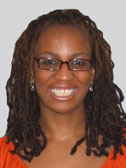
Janice Johnson Dias’s research examines racial/ethnic and socio-economic disparities in the areas of health and human services, and specifically, how those disparities are manifested in the everyday lives of the poor, particularly low-income women and their children. A former fellow at the National Poverty Center of the University of Michigan, she is now assistant professor of sociology and the President of GrassROOTS Community Foundation, a health advocacy and giving organization. In these roles she is pursuing several community-based research projects that explore the health experiences of impoverished women and girls. Her current health research investigates how low-income black mothers’ perception of neighborhood safety influences physical activity and dietary choices for themselves and their children.
Tera R. Jordan – Iowa State University
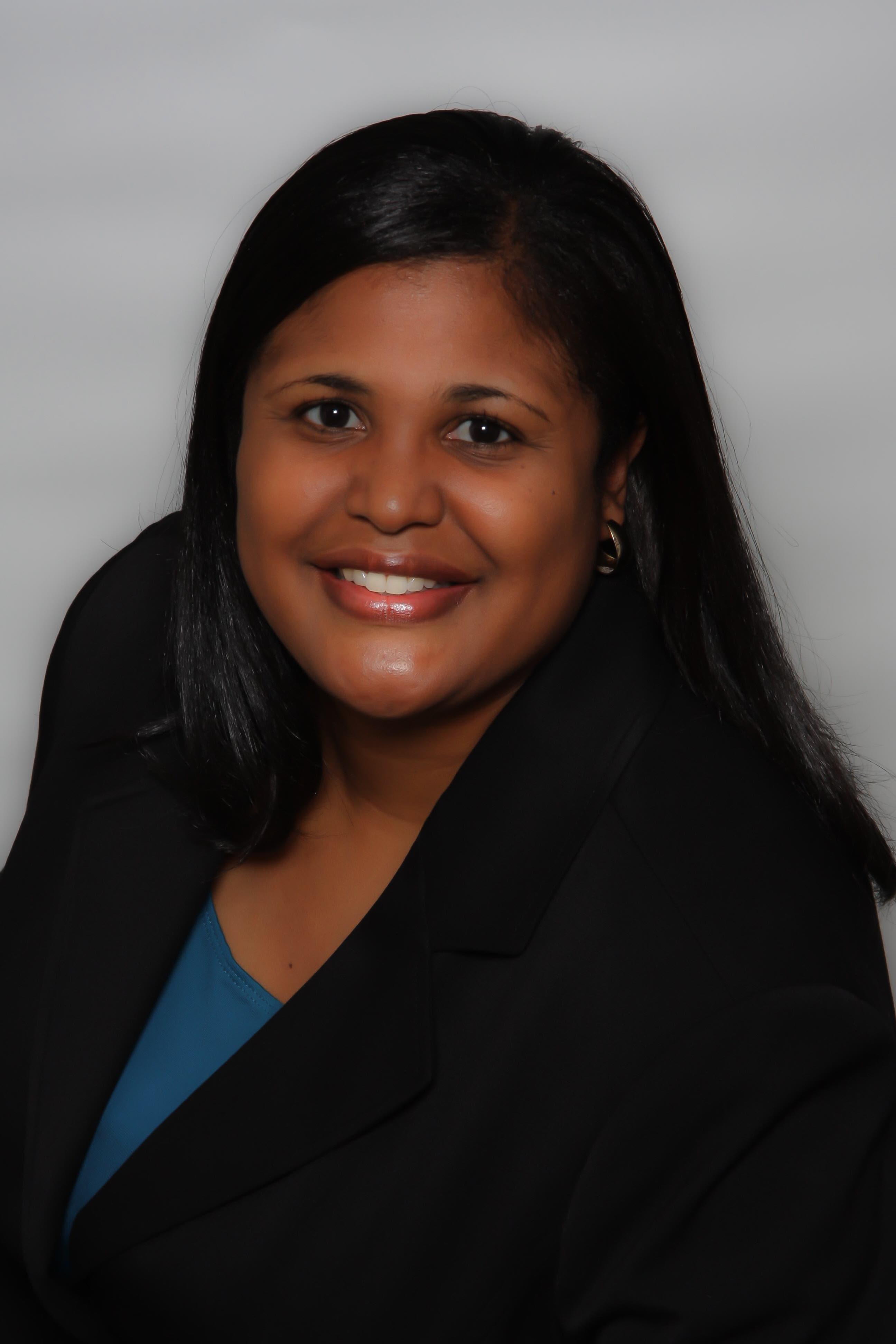
Dr. Tera R. Jordan is an Assistant Professor of Human Development and Family Studies (HDFS) at Iowa State University. She received a Doctor of Philosophy in HDFS and Demography from The Pennsylvania State University in 2005. From 2004 to 2012, she worked as a Research Scientist at the University of Georgia and led efforts to strengthen African American couples’ relationships using marital enrichment programming. Since 2012, Dr. Jordan has taught courses on family communication and qualitative and mixed methods at Iowa State. Her descriptive research focuses on understanding the meanings that Black men attach to their marital experiences and examining nuanced behaviors and attitudes relative to intimate relationships. In her applied research, she explores strategies to modify type-2 diabetes intervention programs to attract and retain Black men in order to enhance diabetes management and overall well-being. Her work is published in the Journal of Family Issues, Personal Relationships, and Cultural Diversity and Ethnic Minority Psychology under her maiden name, Tera R. Hurt. She is a member of the National Council on Family Relations.
Michael Lindsey – University of Maryland, Baltimore
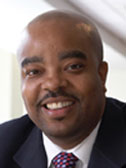
Michael A. Lindsey, Ph.D., M.S.W., M.P.H., is an Associate Professor in the School of Social Work, and holds a faculty appointment in the University of Maryland’s Center for School Mental Health. Dr. Lindsey is a child and adolescent mental health services researcher, and is interested in the prohibitive factors that lead to unmet mental health needs among vulnerable youth with serious psychiatric illnesses, including depression. He is a member of the Ford Foundation Scholars Network on Masculinity and the Wellbeing of African American Males; the Emerging Scholars Interdisciplinary Network; and the Mental Health Education Integration Consortium. His research has appeared in several publications including the Journal of Adolescent Health and the Journal of Black Psychology.
Marvin Lynn – University of Wisconsin-Eau Claire
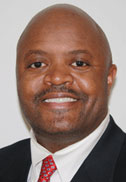
Marvin Lynn is associate dean in the College of Education and Human Sciences. He entered the education field as an elementary teacher in the Chicago and New York Public School systems. He currently teaches courses on urban and multicultural education, critical race theory and education, and methods of elementary teaching in urban schools. Author of What’s Race Got To Do With It? Critical Race Theory and the New Sociology of Education, he has also published numerous articles investigating critical race pedagogy and the intersections of race and ethnicity in education.
Lance T. McCready – Ontario Institute for Studies in Education, University of Toronto
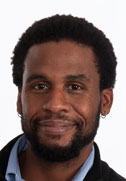
Lance T. McCready, Ph.D., is an Associate Professor of Urban Education. An interdisciplinary social scientist, he researches the education, health and wellness of young men in urban centers. Recently, his research has centered on young black men’s perspectives on education, work and gender relations. McCready is author of Making Space for Diverse Masculinities, a critical ethnography of gay and gender non-conforming black male students. In addition to coordinating a number of Toronto-based research projects, he is also a Lead Researcher on the Black and Latino Male School Intervention Study in the United States.
Jamie Mitchell – Wayne State University
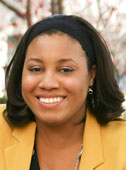
Jamie Mitchell is an Assistant Professor within the School of Social Work. Her work has focused on the social barriers to cancer preventive/early detection behaviors among African American men and social determinants of health, specifically as they relate to prostate and colorectal cancers. Her research has prompted her to survey over 1,000 African American males regarding their health needs and access in order to develop a framework of understanding the social factors that may impact engagement with cancer preventing behaviors. Dr. Mitchell received her Ph.D. in Social Work from The Ohio State University.
James L. Moore III – Ohio State University
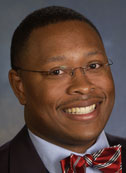
Dr. James L. Moore III is an associate provost in the Office of Diversity and Inclusion, where he also serves as the inaugural director of the Todd Anthony Bell National Resource Center on the African American Male. Additionally, Dr. Moore is a full professor in Counselor Education in the College of Education and Human Ecology. He has a widely recognized research agenda that focuses on school counseling, gifted education, urban education, higher education, multicultural education/counseling, and STEM education. He recently co-edited a book titled African American Students in Urban Schools: Critical Issues and Solutions for Achievement. Dr. Moore has published nearly 90 works and given over 150 scholarly presentations and lectures throughout the United States and abroad.
Eyitayo Onifade – Florida State University
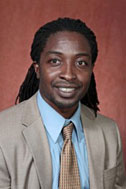
Dr. Onifade teaches courses in community practice and serves as the principal investigator of a number of research projects on juvenile justice. His research interests include child welfare, criminal justice, community development via policy intervention, and system responses to negative social behaviors like child maltreatment and delinquency. He was a Postdoctoral Fellow for the National Science Foundation at Michigan State University, where he created a neighborhood typology system for connecting communities with the specific programs that best serve their needs. Dr. Onifade has presented his work at a number of conferences and workshops, including the Society for Community Research and Action Biennial Conference and the Midwestern Psychological Association Annual Meeting.
David J. Pate Jr. – University of Wisconsin-Milwaukee
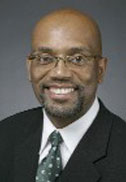
David Pate Jr. is an Assistant Professor in the Department of Social Work and a faculty affiliate for both the Institute for Research on Poverty and the Collaborative Center for Health Equity. His academic interests include child support enforcement policy, fatherhood, domestic violence, welfare reform policy, and the intersections of race, gender, and poverty. Dr. Pate’s research has analyzed the relationships between non-custodial fathers and their children within the context of the welfare system. He currently serves as the Co-Chair for the Social and Economic Justice Track of the Council for Social Work Education, and is an elected member of the National Academy of Social Insurance.
Desmond Patton – University of Michigan
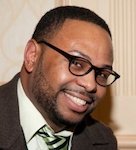
Desmond Patton's research is broadly focused on urban African American male development and identity. He is specifically interested in the mechanisms and processes underlying how African American adolescent males respond to community violence exposure and its impact on developmental and life course outcomes. Patton’s work takes into account how relationships between social networks, neighborhood conditions and social support impact how African-American males navigate physical and virtual spaces. As a qualitative researcher, Patton has interest in narrative and case-study based approaches to unpacking the lived experiences of urban African American males.
Armon Perry – University of Louisville
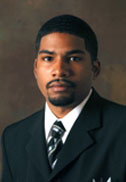
Armon Perry is an Assistant Professor in the Kent School of Social Work. His research interests are focused primarily on the dynamics of African-American families, specifically as they relate to the presence and involvement of African-American fathers. He has several peer-reviewed articles and presentations on these topics. He received his MSW and PhD in Social Work from the University of Alabama, and his BSW in Social Work from Alabama State University.
Joseph Richardson – University of Maryland-College Park
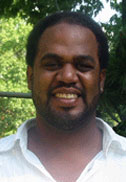
Assistant Professor in the Department of African-American Studies, Joseph Richardson focuses on race and poverty and the many ways in which these issues impact African-American males. His research focuses on risk factors for recurrent violent trauma, linkages/barriers to care and HIV risk related among African-American males in Baltimore and the National Capital Border Area in Prince George’s County, MD. Richardson’s research also examines health risk behaviors among serious violent youth offenders detained in adult jails and parenting strategies for Black male adolescents living in high-risk neighborhoods. Richardson holds a Doctorate of Philosophy in Criminology and Criminal Justice Policy at Rutgers University.
Larry Rowley – University of Michigan
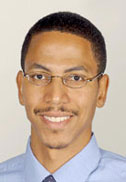
Larry L. Rowley employs theoretical and empirical analyses to chart racial and gender stratification in higher education. He has examined the dynamics between urban universities and communities; the relationships between racial diversity and the public service mission of higher education; and the factors shaping the paucity of African-American males in colleges and universities. Rowley’s research has been funded by the Lumina Foundation for Education. He is a faculty member in the School of Education and the Department of Afroamerican and African Studies.
Gregory Seaton – College of New Jersey
Gregory Seaton draws from a rich mix of academic training and practical experience. Along with attaining a doctorate in Educational Leadership and Human Development from the University of Pennsylvania and serving as Executive Director for Teacher Education for America’s Minorities (TEAM) at the University of Central Florida, he has worked in the field as a youth outreach worker for the Orlando Housing Authority. More recently, Seaton helped design, teach, and evaluate a four-year school-based health curriculum implemented throughout Philadelphia public high schools. His research is primarily focused on how teacher identity development impacts the development and academic achievement of Black boys and other minority youth.
Douglas Thompkins – City University of New York, John Jay College of Criminal Justice
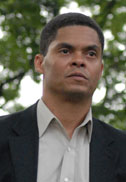
An Assistant Professor of Sociology, Douglas Thompkins analyzes the phases of prisoner life behind bars and after the completion of a jail sentence. Specific topics of his focus include the relationships between prison education programs and ex-offender employment opportunities. He is also the principal investigator of CUNY’s Black Male Initiative. Outside of his academic commitments, Thompkins serves as advisor for several organizations, including the Prisoner Reentry Institute, the Center on Race Crime and Justice at John Jay College, and the Public Safety Initiative, run by the Lifers Organization at the state prison in Graterford, Pennsylvania.
Raphael Travis, Jr. – Texas State University-San Marcos
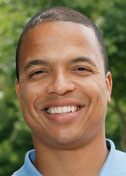
Committed to positive youth development, Dr. Travis has worked both in social work and public health. His research interests include youth development, out-of-school time programs, and juvenile justice and reentry. Each area intersects to facilitate his thorough analysis of youth and adolescent educational and psychological development. Dr. Travis received his DrPH from the School of Public Health at UCLA, and remains active in community-based work. He is currently a professor in the School of Social Work at Texas State University—San Marcos, a Licensed Clinical Social Worker,and an active member of the United Way Capital Area Youth Leadership Council.
Daphne C. Watkins – University of Michigan
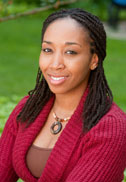
Professor Watkins holds multiple positions as an assistant professor of Social Work and a Faculty Associate at the Program for Research on Black Americans, which is housed in the University of Michigan’s Research Center for Group Dynamics. Her research centers on health promotion and disease prevention among underserved individuals and communities. In her analysis of the health of Black men, she seeks to increase our knowledge of mental disorders and how they impact the health and health behaviors of Black men. Professor Watkins completed a NIMH-funded postdoctoral fellowship and is the recipient of the Building Interdisciplinary Research Careers in Women's Health (BIRCWH) career development award.
Aaronette White – University of California-Santa Cruz
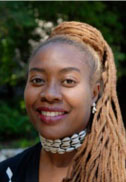
An associate professor of Psychology, Aaronette White investigates feminist thought through the diverse perspectives of self-identified feminist women and men of African descent. These perspectives, many depicted as life narratives in her books Ain’t I a Feminist: African American Men Speak Out on Fatherhood, Friendship, Forgiveness, and Freedom and African Americans Doing Feminism: Putting Theory into Everyday Practice, have informed her presentation of psychological models that explain how women and men of color learn and sustain their feminist identities. As a Fulbright Fellowship Scholar, Professor White spent a year teaching at Addis Ababa University in Ethiopia and completing her forthcoming collection, Ethiopian Feminist Perspectives: Theory, Identity, and Practice.
Scott Brooks – University of California at Riverside
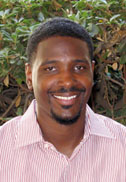 An Associate Professor of Sociology, Scott Brooks has conducted extensive research on the nature of race and the Black male experience in college athletics, specifically basketball, as well as its role and significance as a strategy against social disadvantage in the Black community. Brooks wrote Black Men Can’t Shoot, an ethnographic study charting the intersection of professional basketball aspirations and the struggles to evade inner-city poverty. He also co-wrote A Theory of the Preferred Worker: A Structural Explanation for Black Male Dominance in Basketball. In 2007, he was given the UC Riverside Honors Program Mentor of the Year award.
Derrick Brooms – Prairie State College
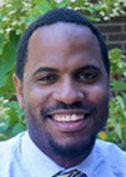 Derrick Brooms currently serves as an Assistant Professor of Sociology. His research areas include Black identity and representation in the media, as well as the development and educational experiences of African American men and boys. Brooms also serves as an affiliate of the African American Male Initiative Program, which works toward improving the academic achievement of Black male students and has previously worked in Chicago’s Urban Prep Charter Academy for Young Men. He received his BA in African and African American Studies at the University of Chicago and his PhD in Sociology from Loyola University Chicago.
Ben Carrington – University of Texas at Austin
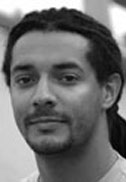
Ben Carrington’s research focuses on the sociology of race, constructions of masculinity, as well as sociological approaches to popular culture and sports. His book Race, Sports, and Gender: The Sporting Black Diaspora, gives a historical overview of the role of sports in the formation of racial discourse. He received his PhD in Sociology from Leeds Metropolitan University. He is also a Visiting Research Fellow from the Carnegie Faculty of Sport and Education. Outside of the realm of sports sociology, Carrington is closely involved with the Center for Women’s and Gender Studies and the Center for European Studies. He has received a number of awards, including the 2010 President’s Associates Teaching Excellence Award.
Waverly Duck – University of Pittsburgh
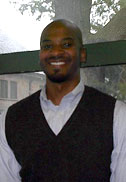
Waverly Duck is an Assistant Professor in the Department of Sociology. His research primarily examines the use of ethnographic methods to better observe the mechanisms that cause and subsequently reproduce social inequality. His paper Black Male Sexual Politics: Avoidance of HIV/AIDS Testing as a Masculine Health Practice examines the ways in which notions of masculinity in the Black male community affect health behaviors, specifically in terms of disease screening. He has also written countless articles focusing on Black male experiences with race, gender, violence, and drug abuse. Before taking his current position, he was Post-Doctorate Associate at Yale University, where he was also Associate Director of the Urban Ethnography Project.
Kristie A. Ford – Skidmore College
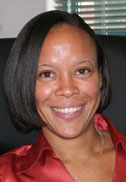
An Assistant Professor of Sociology and Director of the Intergroup Relations Program, Kristie A. Ford focuses on the connections between race, gender, and intersecting social identities. Specifically, her research examines these issues with respect to: (1) body management practices and (2) social justice-focused pedagogical approaches to teaching and learning. Her doctoral dissertation and related publications explore the relationship between constructions of Black masculinity, Black femininity, appearance ideals, and self-image. In particular, her work on Black college men analyzes how they physically, behaviorally, and materially navigate constructions of Black masculinity and Black manhood; it also underscores the emotional implications of engaging in bodily impression management processes.
Micah Gilmer – University of North Carolina at Chapel Hill
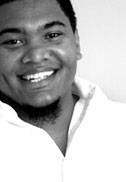
Micah Gilmer is the Adjunct Assistant Professor of Social Innovation in the Department of Public Policy. Dr. Gilmer’s dissertation examined the pedagogical approaches of African-American male football coaches in their efforts to build up their communities, as well as the ways in which their personal experiences impact their work. Since 2005, Dr. Gilmer has also been Partner and Director of Research at Frontline Solutions, a social change organization that offers consulting services to institutions in the non-profit and philanthropic sectors; invests in the pipeline of emerging social change leaders; and informs policy surrounding issues of education, social innovation, and males of color.
Raymond Gunn – College of Wooster
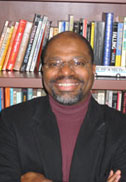
Assistant Professor of Sociology and Anthropology, Raymond Gunn has dedicated his research to the fields of urban sociology, social inequality, race, and masculinity. His publications include “Inner-City ‘Schoolboy’ Life,” featured in the Annals of the American Academy of Political and Social Science, which examines the duality of the inner-city African-American schoolboy and conflicting social expectations of him. Dr. Gunn received his MA at Long Island University and his PhD from the University of Pennsylvania. He is also a member of the American Sociological Association and the American Education Research Association, and is also a recipient of the Spencer Foundation Pre-Dissertation Fellowship for Research in Urban Education.
Nikki Jones – University of California-Santa Barbara
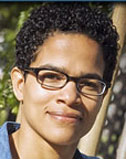
Nikki Jones is an Assistant Professor of Sociology. She received her Bachelor’s and Master’s degrees in Criminal Justice from Saint Joseph’s University and a Ph.D. in Sociology and Criminology from the University of Pennsylvania. Her research areas of expertise include race relations, gender studies, and intersections of race and gender within the context of criminal justice. In 2009, she wrote the book Between Good and Ghetto: African American Girls and Inner-City Violence, which examines the ways in which African American girls navigate inner city violence and gender-specific violence, and has been published in numerous peer-reviewed journals.
Maria S. Johnson – University of Michigan
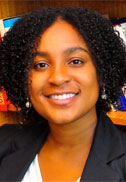
Maria S. Johnson is the Program Director and Research Fellow for the Center for Public Policy in Diverse Societies. Her primary research interests center on the influence of race, gender, and class on family relationships and policies. For her dissertation, Johnson examined how young African-American women made sense of their interactions with their biological fathers and father figures. Her research was supported by university and national grants, including the National Poverty Center. Presently, Johnson examines the intersection of race and gender discourse within African-American father-daughter relationships; federal fatherhood policies; and research on Black fathers. She earned a PhD in Public Policy and Sociology from the University of Michigan.
Shamus Khan – Columbia University
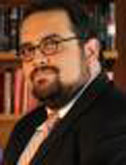
An Assistant Professor of Sociology, Dr. Khan’s academic interests focus on inequality, culture, and political decision making. Taking an ethnographic approach, Khan's first book, Privilege, examines inequality and institutional elitism via the study of St. Paul’s School, one of the most elite boarding schools in the country. He received both his Master’s and Ph.D. in Sociology from the University of Wisconsin-Madison and his Bachelor’s degree in Sociology from Haverford College. He is currently the Andrew W. Mellon Foundation Fellow at the Dorothy and Lewis B. Cullman Center for Writers and Scholars at the New York Public Library.
David E. Kirkland – New York University
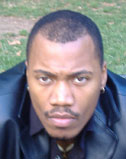
David E. Kirkland is a transdisciplinary scholar of language, literacy, and urban education, who explores the intersections among urban youth culture, gender, and language and literacy practices. His work has explored, among other things, urban teacher preparation, digital media, and the sociopolitical aesthetics of revolutionary justice. He has received many awards for his work including the NAEd/Spencer Foundation Postdoctoral Fellowship Award, Ford Foundation Postdoctoral Fellowship Award, and the NCTE Cultivating New Voices Fellowship Award. He has published widely and recently completed his fourth book, A Search Past Silence: A Counter Narrative of Black Males and Literacy, which is part of Teacher College Press’s Language and Literacy Series.
R. L’Heureux Lewis-McCoy – City College of New York
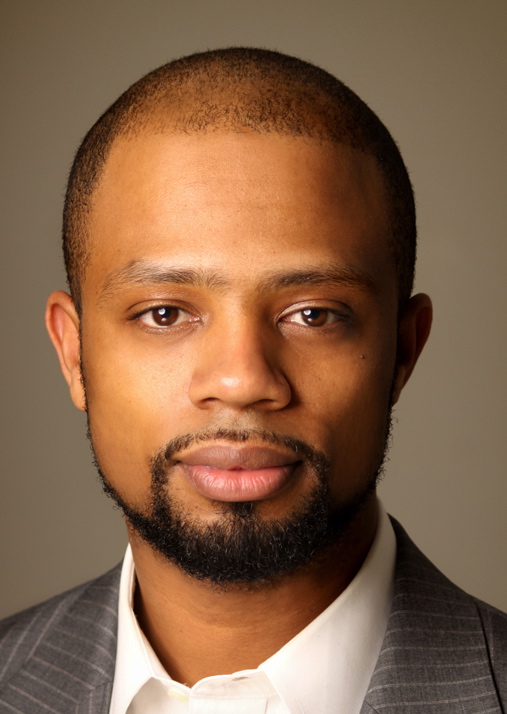
An Assistant Professor of Sociology and Black Studies, R. L’Heureux Lewis-McCoy specializes in public policy, mental health, and race relations concentrating on educational inequality. Beyond this, Dr. Lewis-McCoy's research involves analysis of sustainable educational policies targeting inequality. He has also lectured extensively on the politics of race and affirmative action. Currently, he is writing Inequality in the Promised Land, which uses original data to further examine the impact of race and class in ethnically and economically diverse academic environments. Dr. Lewis-McCoy received his PhD in Sociology and Public Policy from the University of Michigan and a BA in Sociology from Morehouse College.
Bryant Marks – Morehouse College
An Assistant Professor of Social and Cultural Psychology, Bryant Marks conducts research focusing on racial identity as it pertains to academic achievement and self-esteem, as well as in-group and out-group racial attitudes. Marks is the director of the Morehouse Male Initiative, a center focused on the research and best practices regarding the development of young Black males through their collegiate matriculation. He was recently named to The Root's Top 100, a list a emerging and outstanding leaders and contributors in the African American community. Marks received his PhD in Social Psychology from the University of Michigan.
Ray Muhammad – University of Illinois at Urbana-Champaign
Ray Muhammad is an associate professor in African American Studies and Sociology. He teaches courses in African American Studies, social perspectives on the family, and perspectives on Black males and masculinity. His research deals with Black males and public identity, fatherhood, family, and mental health. Muhammad served as a board member on University of Michigan's NIMH Race, Ethnic and Cultural Disparities in Mental Health Training Program. He also volunteers for the Nation of Islam's “Million More Movement.” Muhammad holds a PhD in Sociology from Northwestern University.
Yasser A. Payne – University of Delaware
An Associate Professor in the Department of Black American Studies, Dr. Payne pursues research that examines notions of resilience in street-identified Black men in relation to structural and community violence. He has crafted an unconventional method to engage in street ethnography called Street Participatory Action Research—the process of organizing Black men involved with the criminal justice system to engage the work themselves as members of a research team. Trained as a social-personality psychologist, Dr. Payne completed his doctoral work at the Graduate Center-City
University of New York.
David Rice – Morehouse College
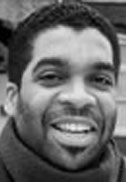
David Rice is a Professor of Psychology and serves as the Principal Investigator of the Identity Orchestration Research Lab. He is also the Co-Director of the Morehouse’s Cinema, Television, and Emerging Media Studies Program, where he advises faculty and has assisted in the development of curriculum. Dr. Rice has delved into his research interest in self-constructs and identity formation in his books Balance: Advancing Identity Theory by Engaging the Black Male Adolescent and I Ain’t No Joke: Identity Orchestration through the Narratives of Hip-Hop Lyricism. He has also provided commentary for National Public Radio, CBS News, and MSNBC, and his writings have appeared in The Washington Post, The Dallas Morning News, The Source, and Vibe magazine.
Carla Shedd – Columbia University
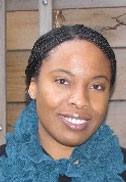
Assistant Professor of Sociology and African American Studies, Carla Shedd explores multiple research and teaching interests, including crime and criminal justice; race and ethnicity; law and society; social inequality; and urban sociology. Together, these areas of focus have informed her broad analysis of the public school and criminal justice systems. Foremost in her analysis are the paradoxical ways these two systems impact urban adolescents and their experiences with racial stratification. Shedd has received numerous competitive fellowships and grants from the Russell Sage Foundation, the National Consortium on Violence Research, Columbia University, and Northwestern University, and she is a Ford Foundation Post-Doctoral Fellow.
Josef Sorett – Columbia University
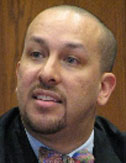
Dr. Sorett is an Assistant Professor of Religion and African American Studies. His research is currently focused on two book projects: a monograph, That Spirit is Black: A Religious History of Racial Aesthetics (under contract with Oxford University Press); and an edited volume examining the sexual politics of black churches. His work has been published in numerous scholarly journals, including Culture & Religion and the Journal for the Scientific Study of Religion. Dr. Sorett earned a B.S. from Oral Roberts University, an M.Div. from Boston University, and a Ph.D. in African American Studies from Harvard University.
Bianca Williams – University of Colorado at Boulder
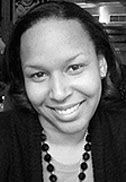
Bianca Williams’ research centers on theories of race and gender within African diasporic communities and investigates the various strategies Black men and women utilize to pursue happiness and maintain good mental health. For her dissertation, she documented how African American women use international travel and the Internet as tools for seeking happiness, creating relationships, and critiquing American racism, sexism, and ageism. Williams is also Associate Director of Research for the social change firm Frontline Solutions, where she leads the development of projects, partnerships, and alliances with researchers in philanthropy and the academy. She holds a PhD in Cultural Anthropology from Duke University.
Derrick Willis – College of DuPageGeorgia State University
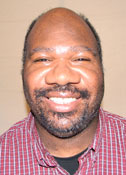
Derrick Willis is an Assistant Professor in the Anthropology Department. An applied anthropologist, Willis is trained in medical and business anthropology. His research interests include the African Diaspora, gender, health and sexuality, globalization, fatherhood, substance use and abuse.
Adia Harvey Wingfield – Georgia State University
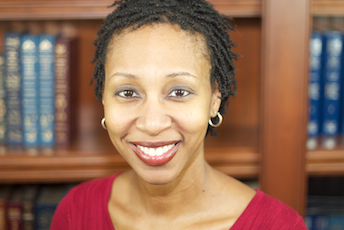
Adia Harvey Wingfield is Associate Professor of Sociology at Georgia State University. She specializes in research that examines the ways intersections of race, gender, and class affect various social processes that occur for minority groups at work. Her recent studies have focused on the ways these overlapping factors impact black men employed in professional occupations such as nursing, law, and engineering. By bringing an intersectional approach to the study of black professional men, Dr. Wingfield hopes to generate new insights about an often overlooked and understudied group. She has won several awards for her work from various sections of the American Sociological Association (ASA), and she has lectured internationally on her research on black male workers. She is the author of four books, most recently No More Invisible Man: Race and Gender in Men's Work (2013, Temple University Press), a study of black men's experiences with tokenism in white male-dominated professions.
Simone Drake – Ohio State University
Simone Drake is an assistant professor of African American and African Studies. Her research interests are broad and interdisciplinary, focusing on critical race, gender, and legal studies; transnational black feminism; black masculinities; visual and popular culture; and literature of the African Diaspora in the Americas. Many of these research areas intersect in Drake’s manuscript, Transnational Negotiations: Critical Appropriations in Black Women’s Cultural Productions (under review), and in her second project, Imagining Grace: Black Men’s Lives Between the Poles. Drake has published numerous articles on race and gender in literature, film, and culture. She serves on the editorial board for Spectrum: A Journal on Black Men.
David Ikard – Florida State University
David Ikard is an Associate Professor in the Department of English. His doctoral dissertation focused on 20th-century African-American literature, but his research interests also include hip-hop culture, constructions of Black masculinity, and Black feminist criticism. In 2007 Dr. Ikard published his first book, Breaking The Silence: Toward a Black Male Feminist Criticism, which explores the possibility of a Black male feminist perspective. He has also recently co-authored “Barack Obama and the Politics of Race,” published in the Journal of Black Studies. Dr. Ikard is a recipient of the Chancellor’s Research Award, the Ford Postdoctoral Fellowship, and has also been a nominee for the University Teaching Excellence Award.
Jeffrey Q. McCune Jr. – University of Maryland
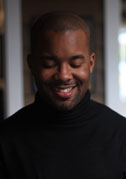
Jeffrey Q. McCune Jr. is an Assistant Professor of American Studies and Women’s Studies. His work centers on Black masculinity, popular culture, and race/gender/sexuality theory. McCune has made contributions to multiple anthologies and journals. McCune is also a playwright and director, and his play, Dancin' the Down Low, has been recently selected for publication in an anthology. He is also completing his forthcoming book, Sexual Discretion: Black Masculinity and the Politics of Sexual Passing. McCune is a member of the Black Sexual Economics Group and the Black Performance Theory Consortium, and serves on the editorial boards of the Journal of Homosexuality and Spectrum: A Journal on Black Men.
James Peterson – Lehigh University
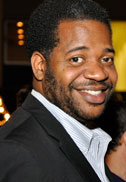
The Director of Africana Studies and an Associate Professor of English, James Peterson has dedicated his academic career to the study of hip-hop and the development of its cultural and educational potential. In 2004, Dr. Peterson founded Hip Hop Scholars, LLC, a non-profit organization of scholars committed to researching and developing an educational bridge from hip-hop to urban youth. In addition, Dr. Peterson has delivered “Hip-Hop Studies” lectures alongside Cornel West at Princeton University and has also worked with Michael Eric Dyson at the University of Pennsylvania. Beyond fielding interviews for numerous magazines on urban culture and hip-hop, he has also published articles in the Black Arts Quarterly and The Wall Street Journal.
J. James Scott – Bard College
J. James Scott is a Senior Lecturer in African American and African Studies. His research interests include African American and American Cultural Studies, Critical Race and Gender studies, especially black masculinity in popular cultural discourse and 20th Century African American Literature. Currently, he is revising his manuscript, Not Just Money: Reparations, Gender and Cultural Identity, and conducting research for an ethnographic study, Reading Black Men’s Read, which focuses on Black men’s reading choices and practices. He received his doctorate in American Studies from the University of Maryland.
Vershawn Young – University of Kentucky
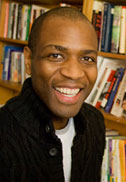
An Associate Professor of Africana Studies, English, and Theatre, Vershawn Young is a scholar/performer. In addition to studying African-American language, literature, and gender performance, he stages his research as one-man shows. He is the author or lead editor of three books: Your Average Nigga: Performing Race, Literacy, and Masculinity (2007), which explores the unfair decision put before Black males to choose between their educational achievement and their masculinity; From Bourgeois to Boojie (2011), which examines black middle-class performance; and Code-Meshing as World English (2011), a volume about linguistic prejudice. Young is currently completing a monograph that extends his essay “Compulsory Homosexuality and Black Masculine Performance,” which can be accessed here.